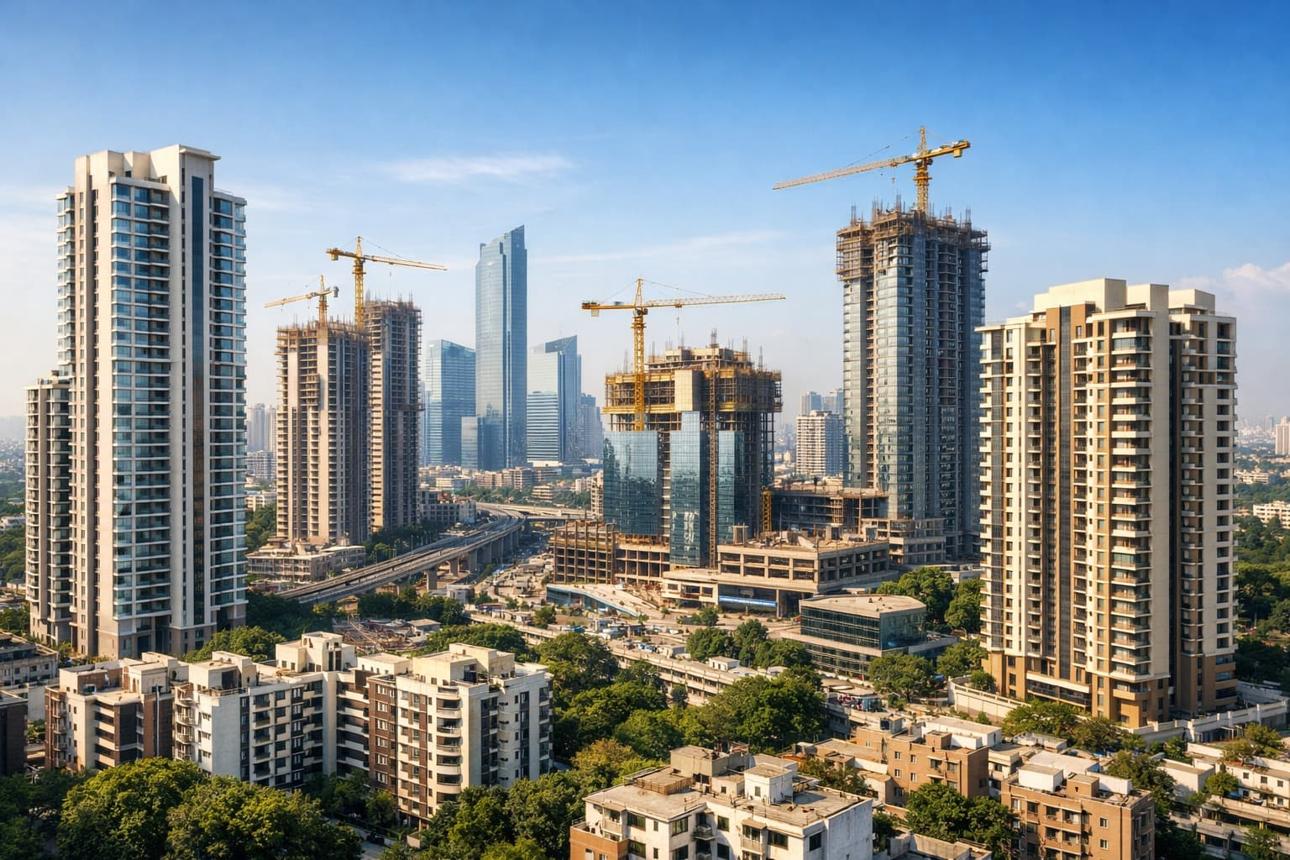
Best Places to Buy Property in India: A Complete City Guide
Buying property is one of the most important financial decisions you can make. Whether you are purchasing your first home, planning to invest in real estate, or looking for a property that can generate rental income, choosing the right location is essential.
India offers a wide range of property markets, from fast-growing IT hubs and established metropolitan cities to emerging business centres. However, the best place to buy property depends on your budget, investment goals, lifestyle preferences, and long-term plans.
In this guide, we will explore some of the prominent property markets in India and explain how to choose the right location for your needs.
Why Does Location Matter in Real Estate?
In real estate, location influences more than just the property’s purchase price. It can affect rental demand, resale opportunities, daily convenience, and long-term investment potential.
Before purchasing a property, consider these important factors:
- Employment opportunities: Areas near IT parks, business districts, and industrial hubs may attract working professionals and tenants.
- Connectivity: Metro lines, highways, airports, and public transport can improve accessibility.
- Infrastructure development: Schools, hospitals, shopping centres, and other facilities can make a location more desirable.
- Rental demand: Areas with students, professionals, and business activity may offer opportunities for rental income.
- Future development: Planned infrastructure can create opportunities, but proposed projects may face delays or changes.
- Affordability: Choose a property that fits your budget without putting excessive pressure on your finances.
Remember, a popular city does not automatically guarantee a profitable investment. The specific neighbourhood, property quality, purchase price, and local demand matter just as much.
1. Bengaluru, Karnataka
Bengaluru is widely recognised as a major technology and startup hub. Its technology companies, business parks, and professional workforce contribute to housing demand across several parts of the city.
Why consider Bengaluru?
- Strong presence of IT companies and startups.
- Demand for apartments and rental housing in employment corridors.
- Established educational institutions and healthcare facilities.
- Multiple residential options, from compact apartments to premium homes.
Areas to explore
Whitefield, Sarjapur Road, Electronic City, and North Bengaluru are areas buyers may investigate, depending on their budget and commute requirements.
Who should consider it?
Bengaluru may suit homebuyers working in the technology sector and investors interested in rental housing near employment centres.
Important consideration: Traffic congestion, water availability, infrastructure capacity, and the distance between a property and its nearest workplace should be assessed carefully.
2. Hyderabad, Telangana
Hyderabad has developed into an important destination for technology, pharmaceutical, and business activity. Its combination of residential communities, commercial districts, and infrastructure makes it worth considering for homebuyers and investors.
Why consider Hyderabad?
- Established technology and business districts.
- A variety of residential projects across different price ranges.
- Demand from professionals working in commercial and IT corridors.
- Access to educational, healthcare, and lifestyle facilities.
Areas to explore
Kondapur, Gachibowli, Miyapur, and selected locations around the Financial District may be worth researching.
Who should consider it?
Hyderabad can be suitable for families seeking residential communities and buyers looking for properties near major employment centres.
Important consideration: Compare the property’s price with local rental demand, travel times, water supply, and the amount of new housing being developed nearby.
3. Pune, Maharashtra
Pune attracts students, professionals, and families because of its educational institutions, IT companies, manufacturing businesses, and growing commercial activity.
The city offers a mix of established neighbourhoods, apartment communities, and developing residential corridors.
Why consider Pune?
- Diverse employment opportunities.
- Demand from students and working professionals.
- Residential options for different household sizes and budgets.
- Access to educational institutions and business districts.
Areas to explore
Hinjawadi, Wakad, Baner, Kharadi, and selected parts of Hadapsar are locations buyers may compare.
Who should consider it?
Pune may appeal to first-time homebuyers, professionals relocating for work, and investors exploring residential rental opportunities.
Important consideration: Evaluate traffic conditions, workplace connectivity, construction quality, and whether the purchase price is supported by realistic rental income.
4. Mumbai Metropolitan Region, Maharashtra
The Mumbai Metropolitan Region, including Mumbai and surrounding urban centres, is one of India’s most established property markets. It offers opportunities across residential, commercial, and premium real estate segments.
However, affordability can be a major challenge, particularly in central and well-connected areas.
Why consider the Mumbai Metropolitan Region?
- Established financial, commercial, and entertainment industries.
- Demand for housing in areas connected to employment centres.
- A broad range of property types and neighbourhoods.
- Infrastructure projects that may improve connectivity in selected corridors.
Areas to explore
Thane, Navi Mumbai, and selected suburbs of Mumbai may offer alternatives to more expensive central locations.
Who should consider it?
This market may suit buyers who want access to a large employment base and investors who can carefully evaluate entry prices, rental demand, and holding costs.
Important consideration: Account for stamp duty, registration charges, maintenance expenses, commuting costs, and the legal status of the property. Never assume that a high-priced property will necessarily deliver strong returns.
5. Delhi-NCR
Delhi-NCR includes Delhi and neighbouring urban centres such as Gurugram, Noida, Greater Noida, and Ghaziabad. The region offers a wide range of residential and commercial properties.
Its employment centres, educational institutions, healthcare facilities, and transport networks attract homebuyers with different requirements.
Why consider Delhi-NCR?
- Access to a broad employment and business ecosystem.
- Diverse property options, from apartments to larger residential developments.
- Multiple locations with access to metro and road networks.
- Opportunities to compare established neighbourhoods with developing corridors.
Areas to explore
Gurugram, Noida, Greater Noida, and selected areas of Ghaziabad may be relevant depending on your workplace, budget, and preferred lifestyle.
Who should consider it?
Delhi-NCR may suit professionals, families, and buyers looking for a wide selection of residential property options.
Important consideration: Check project approvals, land title, developer track record, possession timelines, air quality, water availability, and actual connectivity. Verify the applicable RERA registration and project details before making a decision.
6. Ahmedabad, Gujarat
Ahmedabad is an important commercial and industrial centre with residential options for families, professionals, and property investors.
Compared with some of India’s more expensive metropolitan markets, certain neighbourhoods may provide different entry-price options. Actual affordability depends on the project, locality, and property type.
Why consider Ahmedabad?
- Established business and industrial activity.
- Residential options across different budget levels.
- Road connectivity and access to urban facilities.
- Demand from local businesses, professionals, and families.
Areas to explore
SG Highway, Bopal, Shela, and selected parts of the western and northern city corridors are worth comparing.
Who should consider it?
Ahmedabad may be suitable for buyers seeking a home in a major business centre or investors looking for residential property at a price point that fits their financial plan.
Important consideration: Compare neighbourhood-level demand, infrastructure, construction quality, and resale activity rather than relying only on the city’s overall growth story.
7. Indore, Madhya Pradesh
Indore has become an important commercial and educational centre in central India. Its residential market includes apartments, independent houses, and plotted developments.
For buyers who want to explore property outside the largest metropolitan markets, Indore may be worth considering.
Why consider Indore?
- A growing commercial and service-sector ecosystem.
- Educational institutions and healthcare facilities.
- A range of residential neighbourhoods and property formats.
- Connectivity to other parts of Madhya Pradesh and nearby regions.
Areas to explore
Super Corridor, Vijay Nagar, Nipania, and selected areas along major roads may be worth researching.
Who should consider it?
Indore may suit local homebuyers, families planning to settle in the city, and investors who understand the local market and are willing to evaluate properties individually.
Important consideration: Do not purchase land or an apartment solely because a locality is described as an emerging investment destination. Check land-use permissions, approved layouts, infrastructure availability, and actual buyer demand.
How to Choose the Right City for Your Property Purchase
The right city is the one that matches your objectives and financial circumstances. Use the following framework before shortlisting a property.
1. Define Your Purpose
Start by identifying why you want to buy property.
- For living: Prioritise safety, commute, schools, healthcare, and everyday convenience.
- For rental income: Research tenant demand, achievable rent, vacancy periods, and maintenance costs.
- For long-term appreciation: Evaluate employment growth, infrastructure, supply, and the price you are paying.
- For commercial use: Focus on business activity, accessibility, footfall, and the suitability of the property for your intended use.
2. Set a Realistic Budget
Your budget should include more than the advertised property price.
Account for:
- Down payment and home-loan costs.
- Stamp duty and registration charges.
- Brokerage, where applicable.
- Interior work and furnishing.
- Maintenance and society charges.
- Property taxes, insurance, and potential repairs.
Keep an emergency reserve instead of committing all your available savings to the purchase.
3. Research the Local Property Market
City-wide trends do not tell the whole story. Two neighbourhoods in the same city can have very different prices, rental demand, and resale prospects.
Compare similar properties in the same locality. Look at property size, age, amenities, construction quality, access to transport, and recent market activity where reliable information is available.
4. Calculate Rental Yield
If you are buying for rental income, estimate the property’s gross rental yield.
Gross rental yield formula:
Gross rental yield = (Annual rental income ÷ Total property purchase cost) × 100
For example, if your total purchase cost is ₹60 lakh and the property generates ₹18,000 in monthly rent:
Annual rental income = ₹18,000 × 12 = ₹2,16,000
Gross rental yield = (₹2,16,000 ÷ ₹60,00,000) × 100 = 3.6%
This is only a gross estimate. Your net return will be lower after maintenance, vacancy, repairs, taxes, and other applicable expenses. Loan interest and other financing costs also affect your overall investment outcome.
5. Verify Legal Documents
Before paying a substantial amount or signing an agreement, arrange appropriate legal checks.
Depending on the property and transaction, review:
- Title documents and ownership history.
- Encumbrance records, where applicable.
- Approved building plans and land-use permissions.
- Applicable RERA registration and disclosures.
- Occupancy or completion certificates, where required.
- Outstanding dues and society records for resale properties.
- Sale agreement terms and possession conditions.
Requirements vary by state, property type, and transaction. Consult a qualified property lawyer when necessary.
6. Evaluate Infrastructure Carefully
Infrastructure can influence convenience and demand, but proposed projects do not guarantee price appreciation.
Check whether a road, metro connection, business park, or other project is operational, under construction, formally approved, or merely proposed. Consider possible delays and whether the property remains suitable even if a planned project takes longer than expected.
Common Mistakes to Avoid When Buying Property
Even an attractive property can become a poor purchase if you overlook important details.
Buying only because prices are rising: Past price growth does not guarantee future appreciation.
Ignoring total ownership costs: Maintenance, taxes, repairs, and financing can make a seemingly affordable property expensive.
Trusting guaranteed-return promises: Treat guaranteed rental income or appreciation claims cautiously and review the contractual terms independently.
Skipping legal verification: Never rely exclusively on a salesperson’s assurances or marketing materials.
Overlooking resale demand: A property may be difficult to sell if the location has weak demand, limited connectivity, or excessive competing supply.
Making decisions under pressure: Take time to compare alternatives, inspect the property, and understand every important clause before committing.
Final Thoughts
India offers a diverse range of property markets, from technology-driven cities such as Bengaluru and Hyderabad to established metropolitan regions such as Mumbai and Delhi-NCR. Pune, Ahmedabad, and Indore may also be relevant depending on your budget, lifestyle, and investment objectives.
There is no single city that is best for every buyer. The right decision comes from combining local market research, realistic financial planning, legal verification, and a clear understanding of your long-term goals.
Before purchasing, compare specific neighbourhoods rather than relying only on a city’s reputation. A well-researched property in a suitable location can be a more sensible choice than an expensive property bought without proper evaluation.
At SKYRoot Realty, our goal is to help buyers explore property opportunities with greater clarity and make informed real estate decisions.
Disclaimer: This article is for general informational purposes only and should not be treated as financial, legal, or investment advice. Property values, rental demand, infrastructure, and local regulations can change. Conduct independent due diligence before making a purchase.